Trump's Iran Agreement: Why Israel Is Concerned

President Donald Trump's new agreement with Iran has been welcomed by some as a way to avoid a wider Middle East war and reduce pressure on global energy markets. However, the deal has also generated deep concern in Israel, where many politicians and security officials believe it leaves some of the country's most serious threats unresolved.
What Is in the Agreement?
The agreement aims to de-escalate tensions between the United States and Iran, reopen the Strait of Hormuz and create a framework for further negotiations. According to reports, Iran would receive sanctions relief and regain access to frozen assets in exchange for commitments not to develop nuclear weapons and to restrain allied groups such as Hezbollah.
Supporters argue that the agreement reduces the risk of war, protects the global economy and creates an opportunity for future diplomacy.
Why Is Israel Worried?
1. Iran's Missile Programme Remains Untouched
One of Israel's biggest concerns is that the agreement reportedly does not require Iran to abandon its ballistic missile programme. Israeli officials view these missiles as a direct threat to the country.
2. Questions Over Iran's Nuclear Capabilities
Critics argue that the agreement does not sufficiently address Iran's existing stockpiles of enriched uranium or provide enough guarantees that Tehran will not eventually resume efforts to develop nuclear weapons.
3. Concerns About Funding for Regional Proxies
Israel has long accused Iran of supporting groups such as Hezbollah and Hamas. Opponents of the deal fear that economic relief could strengthen Iran's ability to finance these organisations.
4. Limits on Israel's Freedom of Action
Reports suggest the agreement could place restrictions on Israeli military operations, particularly against Hezbollah in Lebanon. Some Israeli leaders fear this would reduce their ability to respond to future threats.
5. Feeling Sidelined by Washington
Perhaps most importantly, many Israelis are uneasy that the negotiations were largely conducted between Washington and Tehran. Critics believe Israel's security concerns were not sufficiently represented during the talks.
A Different View
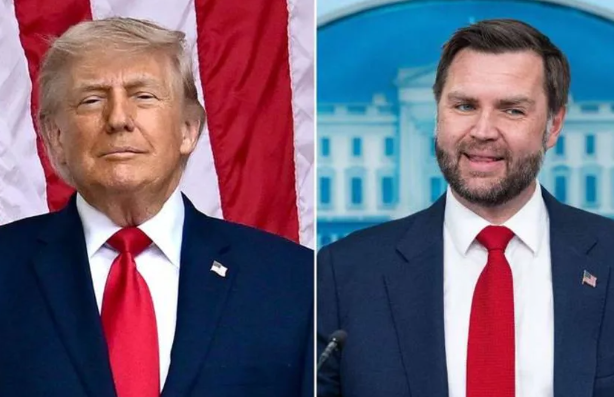
Supporters of the agreement argue that diplomacy is preferable to another military conflict. They contend that economic incentives and international pressure provide a better chance of preventing a nuclear-armed Iran than war would. Vice President JD Vance has defended the agreement, insisting that Iran must restrain Hezbollah and avoid attacks on Israel.
Conclusion
The debate over Trump's Iran agreement reflects two competing priorities: avoiding a wider regional war and ensuring Israel's long-term security.
Supporters see the agreement as a pragmatic step toward stability. Critics fear that it grants Iran economic benefits while leaving its military capabilities and regional influence largely intact.
Whether the agreement proves to be a diplomatic breakthrough or merely a temporary pause in a much deeper conflict will depend on what happens next.
Take care!
Prof. Carl Boniface
Opinion Section:
My View: A Deal Without Israel Raises Serious Questions
America entered the conflict with Iran while standing firmly alongside Israel. That is why many observers find it remarkable that, when the time came to negotiate with Tehran, Israel was effectively left outside the room.

If President Trump and Vice President JD Vance were serious about reaching a durable peace, one could argue that Israeli Prime Minister Benjamin Netanyahu should have been directly involved in the negotiations. A lasting settlement in the Middle East is difficult to imagine if one of America's closest allies believes its security concerns are being overlooked. Reports indicate that the agreement was negotiated largely between Washington and Tehran, leaving many Israelis frustrated and concerned about the outcome.¹
The rhetoric surrounding the conflict also raises questions. During the fighting, President Trump accused Iran of responsibility for the deaths of civilians and issued strong warnings regarding Iran's nuclear programme and enriched uranium stockpiles. Yet the agreement that emerged appears to rely more on commitments and inspections than on the complete elimination of Iran's nuclear capabilities. Critics therefore argue that some of the administration's earlier statements were stronger than the final deal itself.²
To me, this suggests that President Trump may be more constrained than his public image implies. Despite projecting strength, he also faces political realities at home. After years of costly wars and with elections always in the background, there may be limits to how far any American president is willing to go. Securing a diplomatic agreement may ultimately reflect a desire to avoid a prolonged conflict and the political consequences that could follow.
Supporters of the agreement will argue that diplomacy prevented a wider regional war and protected the global economy. Critics, however, see a settlement that leaves Iran's long-term capabilities intact while creating tension with Israel, America's closest ally in the region.
Whether this agreement proves to be a diplomatic success or merely a pause before future confrontation remains to be seen.
¹ Reuters and other reports indicate that Israeli officials were unhappy with the negotiations and that tensions emerged between Trump and Netanyahu.
² According to reports, the agreement involves inspections and commitments rather than the outright destruction of Iran's nuclear infrastructure.


Comentários